

Download Posterous – Simple, Fast & Secure Micro‑blogging Platform
Overview
Posterous is a quick, intuitive blogging platform designed for users who value speed and simplicity over heavyweight content‑management systems. Launched as a micro‑blogging service, Posterous lets you publish posts, images, quotes, videos, and other media with just a few clicks or a single email. The core philosophy behind Posterous is immediacy: you can create a new blog in minutes, and you can publish your first entry by simply emailing it to a unique Posterous address.
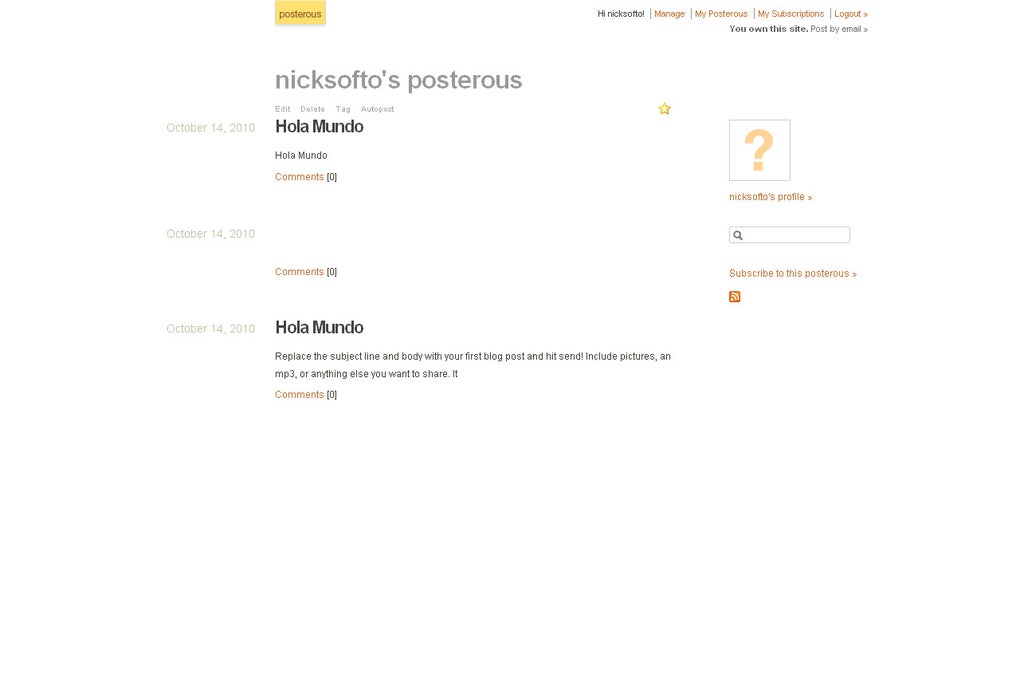
The interface is deliberately minimalist, offering a clean canvas that focuses on your content rather than on complex settings or endless plug‑ins. Despite its simplicity, Posterous supports essential blogging features such as comment threads, RSS feeds, and a small gallery of customizable templates. Whether you are a casual writer, a photographer looking to share visual stories, or a marketer needing a fast‑turnaround publishing tool, Posterous provides a secure, cloud‑based environment that removes the technical barriers commonly associated with traditional blog platforms.
Its mobile apps for iOS and Android further extend its reach, allowing you to capture and post on the go, while the web dashboard offers a straightforward management experience. In short, Posterous blends the ease of a social‑media post with the permanence and flexibility of a full‑featured blog.
Key Features
- Multi‑channel publishing: post via web form, email, or native iOS/Android apps.
- Rich media support: embed images, video links, and audio clips directly into posts.
- Instant comment system: readers can leave feedback without leaving the platform.
- Minimalist design templates: start with clean themes and replace them with custom templates from the Posterous gallery.
- Email‑to‑blog: send an email to a unique address and watch it appear as a post automatically.
- Responsive mobile apps: full‑featured iOS and Android applications keep you publishing from anywhere.
- Secure cloud storage: all content is stored on encrypted servers, ensuring privacy and data integrity.
- SEO‑friendly URLs: automatically generated clean URLs help search engines index your content.
- RSS & Atom feeds: syndicate your blog to readers and third‑party aggregators.
- Simple analytics: built‑in view counters give you a quick snapshot of post performance.
While Posterous does not aim to replace enterprise‑grade platforms like WordPress or Drupal, its feature set covers the essential needs of most personal and small‑business bloggers. The ability to publish by email is especially valuable for users who spend most of their time on mobile devices or who prefer not to log into a web interface for every update. Additionally, the platform’s focus on a clean, distraction‑free writing environment helps writers stay focused on content creation rather than on tweaking design options.
Installation & Usage Instructions
Getting Started
1. Create an account: Visit Posterous.com and click “Sign Up”. You’ll be asked for a username, email address, and password. The registration process typically takes under two minutes.
2. Choose a blog name and URL: After signing up, you’ll be prompted to select a unique blog sub‑domain (e.g., yourname.posterous.com). This becomes the permanent address for all of your posts.
3. Verify your email: Posterous sends a confirmation link to your inbox. Clicking this link activates email‑to‑blog publishing and secures your account.
Publishing Content
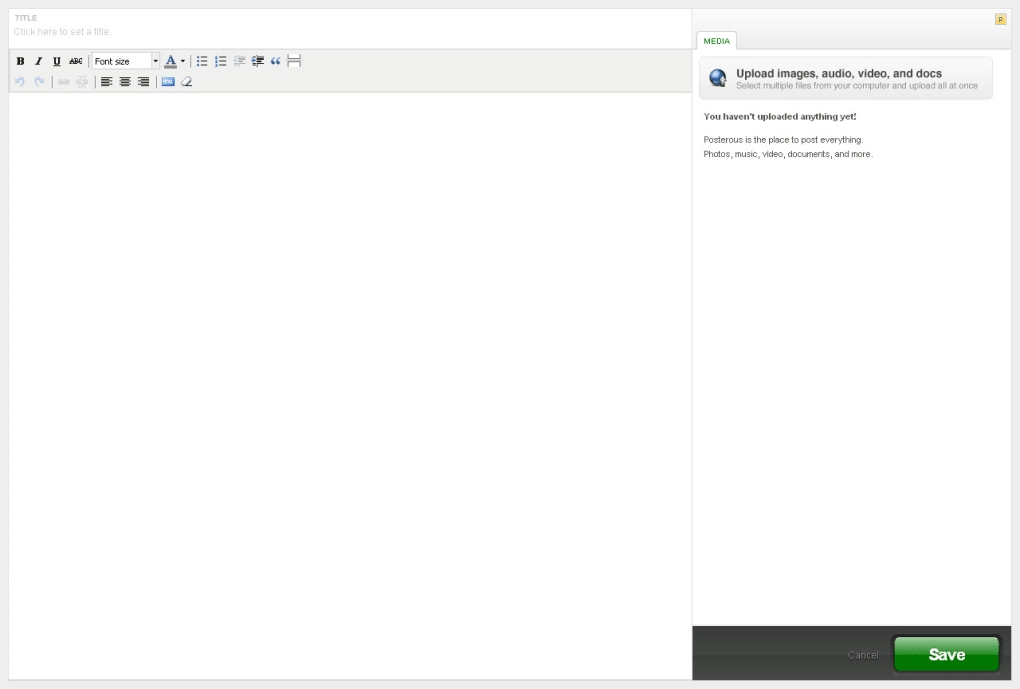
Web Dashboard: Log in to the Posterous dashboard, click “New Post”, add a title, type or paste your content, and drag‑and‑drop any images or video URLs. Once you’re satisfied, hit “Publish”. The post is instantly live and appears in your RSS feed.
Email Publishing: Posterous provides you with a unique email address (e.g., [email protected]). Any email sent to this address becomes a new post. The subject line becomes the post title, and the email body becomes the content. Attach images to include them in the post.
Mobile Apps: Download the Posterous app from the App Store or Google Play. After logging in, you can create a new post, add media from your camera roll, and publish with a single tap. The app also supports offline drafts, which sync automatically when you reconnect to the internet.
Managing Your Blog
The dashboard includes a simple sidebar with options to edit posts, view comments, and customize your template. To change the design, navigate to “Appearance”, select a gallery template, or upload a custom HTML/CSS theme. All changes are saved instantly, and a preview button lets you see how the blog will look before publishing.
Regular backups are handled automatically by Posterous. However, you can export your entire blog as a ZIP file containing HTML files and media assets from the “Settings” → “Export” page. This feature provides an extra layer of security for long‑term archiving.
Compatibility & System Requirements
Posterous is a cloud‑based service, which means you can access it from any modern web browser on Windows, macOS, Linux, or ChromeOS. The platform’s responsive design ensures a consistent experience across desktop and mobile devices. For mobile publishing, Posterous offers native applications for:
- iOS 12.0 or later (iPhone, iPad, iPod Touch)
- Android 6.0 (Marshmallow) or later
Because the service runs entirely on Posterous’ servers, there is no need for local installations, plugins, or database configuration. All you need is a stable internet connection and a supported browser (Chrome, Firefox, Safari, or Edge). The web dashboard leverages HTML5 and CSS3, so older browsers may experience reduced functionality. For optimal performance, we recommend using the latest version of your preferred browser and enabling JavaScript.
Security is handled via HTTPS encryption for all data in transit, and the platform complies with standard data‑protection regulations. If you’re using a corporate network, ensure that outbound connections on ports 80 (HTTP) and 443 (HTTPS) are permitted; otherwise, the service may be blocked. Posterous also supports two‑factor authentication (2FA) via authenticator apps, adding an extra layer of protection for your account.
In summary, Posterous works seamlessly across Windows, macOS, Android, and iOS environments, requiring only a web browser or the official mobile app. Its lightweight architecture makes it ideal for users who want a fast, hassle‑free blogging solution without the overhead of traditional CMS installations.
Pros and Cons
Pros
- Fast setup – you can have a live blog in under five minutes.
- Multiple publishing channels (web, email, mobile) boost flexibility.
- Clean, distraction‑free interface keeps the focus on content.
- Built‑in comment system encourages reader engagement.
- Secure cloud storage with automatic backups.
- Responsive design works on any device or operating system.
- SEO‑friendly URLs help improve search visibility.
- Export option lets you retain ownership of your content.
Cons
- Limited template library compared to larger platforms.
- Advanced customization (plugins, widgets) is not available.
- No built‑in e‑commerce or membership features.
- Free tier may have storage caps; premium plans required for heavy media use.
- Analytics are basic; power users may need external tools.
Frequently Asked Questions
Is Posterous free to use?
Posterous offers a free tier that includes basic publishing features and limited storage. For users who need more media space or advanced analytics, paid plans are available on a monthly or annual subscription.
Can I import an existing blog into Posterous?
Yes. Posterous provides an import tool that can pull content from WordPress, Blogger, and Tumblr via RSS feeds. The process copies posts, images, and comments into your new Posterous blog.
How secure is my data on Posterous?
All data is transmitted over HTTPS and stored on encrypted servers. Posterous also supports two‑factor authentication and regular automated backups, ensuring both privacy and reliability.
Can I customize the look of my blog?
Posterous offers a selection of minimalist templates that can be swapped from the “Appearance” section. For users comfortable with HTML/CSS, custom themes can be uploaded to fully tailor the design.
Is there an API for developers?
Posterous provides a RESTful API that allows developers to programmatically create posts, retrieve comments, and manage media. Documentation is available on the Posterous developer portal.
Conclusion & Call to Action
Posterous stands out as a sleek, secure, and highly accessible blogging solution for anyone who wants to publish content quickly without wrestling with complex settings. Its email‑to‑blog feature, mobile apps, and clean interface make it especially attractive for writers on the move. While power users may miss advanced plugins or a robust theme marketplace, the trade‑off is a remarkably fast and hassle‑free experience. If you’re looking for a platform that lets you focus on storytelling rather than technical upkeep, Posterous is a compelling choice.
Ready to start sharing your ideas instantly? Download Posterous now, create your free account, and enjoy a seamless publishing workflow across web, email, and mobile. Your next post is just a click—or an email—away.



.png)